Posts by admin

That Akagi, Will Long’s latest Celer recording, is eighty minutes in duration is probably attributable to the time restriction of the CD format; given its becalmed ambient character, Akagi more suggests the kind of music that under other conditions would continue indefinitely, perpetually regenerating itself within some loft gallery space or meditation center for weeks, even months at a time.

In late 2012, Long was asked to create the material for a live yoga event conducted at Yougenji temple in Northern Tokyo, the idea being that the musician would be positioned behind the audience so as not to distract the attention of the participants away from the yoga instructor. With that in mind, Long generated the music using two reel-to-reel tape machines and two keyboard tape loops with similar time structures but different overlapping chords. In classic ambient fashion, the material changes in only the most subliminal of ways during its presentation, with subtle adjustments in volume the primary alteration that occurs.

Akagi generally hews to the level of a whisper from start to finish, and its gentle, unhurried drift gives it a dream-like quality that encourages a meditative response in the listener. Music of such delicate character also can’t help but engender a state of wistfulness, and as the minutes pass and the body and mind relaxes, thoughts drift to moments long past, and Long’s music begins to take on the memory-awakening character of a Proustian madelaine. For Long himself, Akagi calls to mind moments spent during childhood with his grandmother, who died when he was eleven and spent her last bed-ridden years watching television with her grandson and watching the lace curtains on the windows gently swaying in the afternoon breeze. A clear parallel can be drawn between the time-slowing experience of her final days and the somnolence of Long’s fragile creation.

There was a time when Celer recordings appeared so frequently it was hard to keep track of them; the project’s output has slowed in recent years, perhaps because of Long’s involvement in other projects—his collaborations with Miko under the name Oh, Yoko and with Christoph Heemann as Hollywood Dream Trip, for example—or perhaps it’s because his one-time Celer partner Danielle Baquet is no longer with us. Regardless, Akagi, issued on Long’s own Two Acorns label, makes for a seamless addition to the Celer discography.

Will Long ist einer dieser Amerikaner in Japan. Vom Mississippi direkt nach Tokio. Er hat bereits jetzt mehr Platten gemacht, als ein Musikerleben eigentlich aushalten kann. Das alles nachzuhören, scheint unmöglich. Nicht nur, weil er einen Großteil des Katalogs selbst veröffentlicht hat, in kleinsten Auflagen vielleicht nur an Nachbarn und Freunde verteilt und verschenkt hat. Dieses neue Album hier hat nur einen Track. Und eigentlich auch nur einen Loop, der knapp 80 Minuten in sanften Variationen durch den Kopfhörer kreist, mal sanft links herum, dann wieder vorsichtig rechts abbiegend. Lässt man sich darauf ein, fallen einem die subtilen Veränderungen schon bald gar nicht mehr auf. Wie der Bass an- und abschwillt, wie bestimmte Obertöne plötzlich verschwinden, das Rauschen rhythmischen Verschiebungen ausgesetzt wird und dann von einem merkwürdigen Dröhnen übertüncht wird. Die Art und Weise wie Long das Stück gemischt hat, ist perfide. Leise, sehr leise kommt es daher und hat man dann alle Regler auf das absolute Maximum gedreht, fällt das Wolkenschloss in sich zusammen. Man will hineinspringen in „Akagi“, Long lässt es aber nicht zu. Und hält uns damit auf Abstand. Bei so persönlicher Musik kann man das gut verstehen.

Your present reviewer knows next to nothing about yoga, other than it is a wide range of techniques aimed at control of the body and the mind, which evolved over centuries out of Hindu, Buddhist and Janist holy texts. There are as many branches hanging from the willow tree.

Agaki  was created by Celer (Will Long) for an event that took place at the Yougenji temple in Tokyo in the autumn of 2012. Long played to the backs of the yogas and yoginis, overlapping the chords of his twin set of tape machines spooling two keyboard loops. “While changing,” he says, “it maintained the same sound and makeup throughout.” What sticks fast in his memory of the work is the phenomenon of “ever-present surroundings never changing.”

Floating like the wisp of smoke coming off a stick of incense, Agaki curls and intertwines at the behest of small changes in the air. Longing to fill the entire capacity of the compact disc at 79:44, certain classic Eno ambiences of your own preference— Thursday Afternoon or Lightness, perhaps—will come to mind, it would be impossible otherwise. As throughout its long career, Celer proves that a work of art expresses reality in its own nature.

Tutto comincia nel 2012 quando a Will Long, in arte Celer, viene commissionato un progetto molto particolare: comporre in tempo reale una colonna sonora per un mega raduno di yoga al tempio Yougenji. Per fare ciò, il Nostro (artista, fotografo, educatore e scrittore) si è servito dei mitici nastri reel-to-reel che mettevano in loop le varie parti composte. Cose semplici: si parla di pochi accordi e giri di tastiera che vengono ripetuti in modo da riempire tutto lo spazio vuoto (che erroneamente definiamo silenzio) presente su nastro.

“Durante la performance molte persone si sono addormentate (…) Mi sono subito ricordato di mia nonna. Quando avevo 6 anni, mi sono trasferito dalla casa dei miei genitori a quella di mio nonno, la porta accanto a dove è cresciuto mio padre  e dove mia nonnna ancora viveva. E’ rimasta costretta a letto per diversi anni, e sarebbe così rimasta fino al momento della propria morte. Io avevo 11 anni”. E la funzione della musica di Will Long è proprio quella di “svegliare” i propri ricordi, entrando in una dimensione in cui staticità e calore che lo riportano indietro nel tempo.

Ma, come molti scrittori sanno, il passo da testimonianza a dedica è breve, motivo per cui, alla fine di tutto, questo disco, costituito da una traccia di circa 45 minuti è una dedica. Le influenze prese sono diverse e le collaborazioni ben mirate (si pensi a Machinefabriek e a Yui Onodera) che non fanno altro che confermare la sua scelta stilistica nel continuo affresco della staticità e del calore che si trova nella meditazione, in un posto altro che è ben lontano dal rumore del presente, di quel presente osceno (in senso ordinario) che dovrebbe essere osceno, appunto, decentrato, fuoriscena, in una dimensione in cui un pezzo, un accordo, una nota, può durare in eterno.

In 2014 I went to Kyushu in Japan for two shows. One of them was in Fukuoka, organized by Duenn, the artist who also runs the label of the same name. The A side (Celer) is two tape pieces, and the B side is by Duenn.

Released on cassette in a limited edition.

横浜在住のアンビエント作家celerとduennのsprit作品。deep drone!!!

El año 2012, en marzo, Will Long y Rutger Zuydervelt realizarían una gira conjunta por algunas ciudades de Bélgica y los Países Bajos, lugares en los cuales reunirían sus diferentes sistemas para realizar presentaciones conjuntas, instantes en los que se enfrentaron diferentes maneras de afrontar el sonido. Por un lado, los flujos eléctricos de Rutger y, por el otro, las superficies ambientales y evanescentes de Will. Como resultado se generó un maravilloso ruido de fondo, texturas abruptas y armonías de seda que se deslizan en el cielo. Esa gira fue la causa de la publicación de una serie de singles esparcidos durante esos meses, una manera de extender sus excursiones por las tierras europeas y también para poder desarrollar conjuntamente un mismo sonido. Primer fue “Maastunnel / Mt. Mitake” (2012) [188], luego “Numa / Penarie” (2012) y finalmente “Hei / Sou” (2012) [208]. “Cuando uno piensa que ya nada lo sorprende llegan de improviso cosas así. Con un comienzo tibio, “Numa” parte sigilosamente cuando comienzan a aparecer varios cambios dentro de la misma, como queriendo encerrar todo el universo en tan solo un fragmento de tiempo, en solo trescientos veinte segundos. Hay partes ásperas, otras de electrónica espacial, otras que parecen manipular al sonido con las propias manos, hasta alcanzar el éxtasis sin despegarse del suelo… Cuatro piezas en no más de veinte minutos que hacen desear una nueva gira conjunta que de lugar a nuevos extractos de eternidad como estas lo son, más si vienen acompañadas por este tipo de diseño, el mismo presente en el primero de la trilogía, esos collages hechos con esas maravillosas postales japonesas, luego trazadas por Rutger”. La conclusión última sería “Greetings From Celer & Machinefabriek” (2012), reunión de todos sus registros en directo en más de tres horas. Hoy, los tres singles en los cuales ambos músicos creaban esos panoramas son recopilados en un CD por Irrational Arts, más cuatro añadidos. Escuchar de nuevo esas seis piezas iniciales es una brisa fresca, armonías espectrales surcando un cielo abierto, notas que se pierden en la inmensidad comprimida en tan solo minutos, segundos. Celer y Machinefabriek deslizan resonancias débiles contaminadas por destellos ínfimos, trozos desperdigados en extensiones pausadas de sonoridades expansivas. Al terminar “Sou”, lo que era el último suspiro, surge una nueva composición. “In/Out”, otro soplo efímero, notas que se desvanecen y una tersa melodía, voces distantes extraviadas en la obscuridad. “In/Out”, un ruido líquido que se traslada sobre una superficie escarpada, anotaciones breves en un bucle infinito, bajo una atmósfera de electricidad tenue. Tres de los rastros antes publicados son reelaborados en esta colección. SYLVAIN CHAUVEAU cubre “Sou” de un manto que difumina los bordes, ocultando los sonidos de cristal en un nube de sonido uniforme, formas sintéticas sobre el panorama original. NICOLAS BERNIER, por el contrario, despoja del murmullo inicial “Mt. Mitake”, reduciendo su estruendo a líneas puras y límpidas, para pronto ser consumidas por una distorsión leve que invade las estructuras inorgánicas. Finalmente “Deux Filles”, nueva remodelación de “Numa” por STEPHAN MATHIEU, partículas de polución deshechas en una materia plateada, estructuras ambientales diluidas en una materia gris. El artista alemán convierte la grabación en una unidad de ruido en disolución, generando una substancia mineral que tiembla eternamente en la obscuridad. “Compendium (Collected Singles And Remixes)” es una fascinante constelación de estrellas diminutas nadando en la vastedad, composiciones fugaces en que Will Long y Rutger Zuydervelt dispersan fragmentos sintéticos en las corrientes de cuerpos celestes. Junto a “Loos” y “Rusland II”, estas piezas exponen diferentes estructuras acústicas, donde Machinefabriek, en soledad o junto a Celer, tiende líneas que se anexan para configurar sistemas audibles complejos, sistemas que evolucionan de manera espontánea dentro de sí mismos.

Music for a yoga event is something that seems hardly out of place in the world of Will Long’s project Celer. While yoga is not something I practice (and perhaps I should at this tender age and with these muscles). Celer created the music live, using two reel-to-reel tape machines and two tape loops of keyboard with similar time
structures, but each with different, overlapping chords. They create different configurations, and as such Celer is the best Brian Eno student; on his ‘Music For Airports’ he uses a bunch of loops of varying length, which overlap at different points. But whereas Eno chooses a variety of sounds, Celer here keeps it all very close
together with his organ sounds. During the performance various people fell asleep and it’s easy to see why. Not because the music is boring; for if it would be boring I would say ‘change the tune’ and play something less boring and prevent from falling asleep. This music has that tranquillity that fits the state of sleep. Now, I am not the sort of person to mix sleep and music; I know various people who like to sleep with music on, and there have been sleep concerts by Robert Rich and Steve Stapleton (soon pianist Max Richter comes with a music piece that lasts 8 hours soon; I wish I slept solidly 8 hours a night; sadly, a different story), but when
it comes to sleep I prefer the good old fashioned silence. However during the day I usually take a quick power-nap around half past three – no coincidence just when I was playing this CD and this music worked quite well for taking a quick sleep. The changes are very minimal throughout these nearly eighty minutes and I was thinking: maybe Celer should have go all out and done a 8 hour version of this, released as a single file
on a DVD? No doubt I wouldn’t still played that when trying to catch some real sleep. Maybe the whole sleep thing defies the reason of this being music for a yoga event, which, as far I know doesn’t involve sleep. There is not a lot change and the music goes on, almost ad infinitum – well that is 1 hour, 19 minutes and 44 seconds, but have this on repeat for a while, when you are meditating and you’ll soon be fast asleep or levitating – and that is a compliment. Celer is just one of the best students when it comes to Ambient lesson, and ‘Akagi’ is as such a masterpiece.

“Based on an idea of primitive Americana, it can be seen as a mediation on the different sides of music and cultural perception, or a reflection of inherent imperfections”. Cintas desgastadas por el clima implacable, notas que emergen del polvo y la suciedad, estruendos homogéneos que absorben la contaminación exterior, incorporando sus imperfecciones en su materia interna. Los recuerdos del paisaje extendido afloran en el momento en que los primeros acordes surgen en medio de los sonidos archivados, armonías quietas que rememoran estadías temporales por la superficie rocosa y el suelo árido. Will Long continúa su travesía por los parajes amplios y las superficies de resonancias extensas, en forma de prolongados desarrollos donde cada nota se dilata hasta el horizonte más distante. A través de composiciones que se esparcen a lo largo de planos, empleando registros recogidos del sótano, Will Long edifica una música que requiere una predisposición especial, y que a su vez genera una sensación particular, una abstracción de la realidad externa. Ideas expresadas en grabaciones evaporadas en la inmensidad atmosférica, textos invisibles que traspasan el aire como fluidos etéreos cruzando la materia química. Celer, de manera regular, entrega sus sonidos al mundo, obras que capturan la historia en su modo particular, piezas que dan cuenta de momentos y lugares por medio de impulsos diferidos. Este año ya lleva varios trabajos publicados, entre ellos “Soryu” (Two Acorns, 2015), “Tempelhof” (Two Acorns, 2015) y “Jima” (I, Absentee, 2015). No obstante, el recuerdo más activo que de su obra más reciente tenemos son las imágenes que provocan “Sky Limits” (Two Acorns–Baskaru, 2014) [364], álbum editado al término de la temporada anterior. “Lo que emerge desde el interior de “Sky Limits” es de una belleza casi indescriptible, una corriente cálida de melodías que se desvanecen junto con el resplandor del paisaje, un ruido que se confunde con los tonos disipados por la oscuridad y que, a su vez, posee una intensidad en sus matices que deslumbra hasta eclipsar. Y todo esto ocurre mientras la ciudad transita por las horas… Acostumbrados a las grandes extensiones de música expansiva de Celer, estos fragmentos contienen momentos de una magnificencia inconmensurable, estruendos ambientales contenidos en instantes relativamente breves que sin embargo son inagotables”. Un recuerdo presente de las ondas auditivas de ese hermoso trabajo, que ahora acrecentan su efecto con nuevas vistas hacia el ruido lejano.

“Inspirado por el suroeste norteamericano, ‘How Could You Believe Me When I Said I Loved You When You Know I’ve Been A Liar All My Life’ es el nuevo álbum del músico Celer, aka Will Long, ahora residiendo en Japón. Extraído de un piano eléctrico y flauta de madera, loops de cintas fueron copiadas en cassettes quemados por el sol y un vinilo de prueba torcido, usando el formato más básico de efectos. Basado en una idea de la americana primitiva, puede ser visto como una mediación sobre los diferentes aspectos de la música y la percepción cultural, o una reflexión de las imperfecciones inherentes”. Publicado primero en CD por White Paddy Mountain, el label de Chihei Hatakeyama, y luego en LP y cassette por el mismo Celer a través de Two Acorns, este álbum de extenso título reúne una serie de grabaciones cuyo origen irregular es equivalente a la carga emocional que en él se contiene. Como es habitual en su música, las partituras transparentes permiten que el efecto de un solo sonido se propague hasta el borde de lo posible, acordes suspendidos sobre la superficie que alcanzan estadios superiores de conciencia. Celer elabora este trabajo utilizando instrumentación acústica, cruzando circuitos análogos, arrastrando la suciedad de materiales desgastados. Las melodías conservan ese deterioro proveniente del lugar donde se encierran estas formas, polvo circulando en mitad de los sonidos, estruendos contaminados entre los surcos y las delgadas películas de ruido ambiental, los cuales preservan esa belleza casual, exteriorización del esplendor que yace bajo las capas de suciedad. Por momentos el brillo inmanente limpia las impurezas, en otras estas cubren sus tonalidades cítricas. Estas delicadas resonancias de cromo magnético se desplazan esparciendo manchas sobre el suelo, rastros en la arena que desaparecen con las horas, con las olas del viento. Una de esas manchas permanece por más tiempo, el recuerdo de travesías por parte de la geografía del hemisferio norte. “Un par de años atrás hice un viaje con my tío de ochenta años de edad a través de algunos lados del suroeste norteamericano, donde la puesta de sol vuelve naranja las paredes de los cañones en la primera hora del atardecer y, después de medianoche, infladas nubes todavía se ven a través del cielo azul marino. En la mañana las colinas parecían brillantes blanqueadas por la luz del sol, y la vista desde lo alto del cañón era completamente silenciosa, excepto por el viento y los pájaros que pasaban ocasionalmente. En el distrito Needles los petroglifos de siglos de antigüedad se mezclaban con grafitos; latas de spray tiradas, medio sumergidas en la arena. Manejamos a través de caminos alternativos por La Sal Mountains, y a lo largo de la meseta gris barrida por el viento de Colorado. Pasamos las extensiones de Monument Valley, en los alrededores de Kayenta, tormentas se aproximaban en la distancia mientras adolescentes hacían dedo en el camino junto con tiendas temporales de recuerdos, solas como puestos de fuegos artificiales después de pasadas las fiestas. Ascendiendo sobre el desierto pasamos por Aspen, a través de los centros turísticos de ski y las mansiones de las celebridades, donde el ingreso familiar promedio es de US$69,000, comparado con los US$21,000 en Kayenta. Al día siguiente nuestro viaje terminó cerca de Ouray, la niebla pasando por encima del camino de árboles perennes”. Viaje familiar por las llanuras y el terreno abrupto, por las rocas y las piedras pequeñas depositadas por milenios, la variedad topográfica que es rememorada a través de estos latidos eléctricos. Sin embargo, como el mismo Will señala, la relación con estas historias de excursiones por el lado oeste de Norteamérica sólo vendría mucho más tarde, cuando la vida estaba asentada miles de kilómetros lejos. “Varios años después, luego de dejar California, reuní una colección de registros hechos con piano eléctrico y flauta de madera. Dos tracks fueron copiados en dos cintas de cassette quemadas por el sol que había encontrado en el tablero de un auto, y las otras dos en un test pressing de 12” torcido. Revisando estas piezas después de vivir en Japón por muchos años, inmediatamente me recordaron en ese viaje y lo que dejé atrás en Estados Unidos. Las cintas se agitaban y se atascaban, impregnadas del silbido y la suciedad. El disco saltaba, temblaba, pasaba y se salía. Aún con estas imperfecciones, reflejaba completamente mi recuerdo de los lugares y lo que representaban. Hay lados para todos, sea que eso te haga cambiar o no”. Esa colección de alusiones a su antiguo hogar es “How Could You Believe Me When I Said I Loved You When You Know I’ve Been A Liar All My Life”, obra de paisajes difusos, coloraciones ocres difuminadas en la línea horizontal. Esta obra de Celer tiene la apariencia de olas de óxido que se oscilan lentamente en enorme estanque de ácidos, materia que se disuelven al entrar en contacto con estructuras atómicas opuestas. Por medio de recursos orgánicos, Will Long produce una música estática, cuatro piezas en tres cuartos de hora que reposan calmas en la línea geográfica, sonidos que luego atraviesan una mecánica deteriorada que corrompe el recubrimiento pero no altera su núcleo armónico. Las líneas se repiten de manera constante durante los minutos, como mareas reiterativas volviendo sobre un mismo punto una y otra vez. Acordes reanudados formando círculos que ruedan en una superficie extensa. Cada pieza se sustenta sobre la base de hermosos motivos contenidos en segundos luego conectados uno tras otro, una melodía enlazada a su calco, copias formando imágenes de la panorámica pétrea. Notas que nacen en piano eléctrico y flauta de madera luego transformadas en bucles infinitos, mismos que después cruzan un sistema de películas dañadas, hasta desembocar en una belleza áurea que es esta obra. De hecho, “Bleeds And Swell Blends” parece ser más que un extracto de una música aún mayor, doce minutos que podrían ser una fracción breve de una tarde en las montañas, eufonía minúscula que avanza incansablemente hasta perderse en la visión nocturna. “These Dreams, How Portentously Gloomy”, donde el ligero soplo circulando por la madera se convierte en cadencias ambientales, donde las partículas contaminadas se filtran por el aire y la exhalación melodiosa, de nuevo convertido en registros circulares. “Natural Deflections” es una visión melancólica del terreno abandonado, nostalgia en la mirada hacia lo que quedó atrás, por medio del lirismo romántico de las texturas agrietadas y el brillo irradiante de sus tonos límpidos. Una simple escala musical que orbita alrededor de su eje durante el tiempo interminable. Finalmente “Acrimonious, Like Fiddles” exhibe los rastros apartados por el descuido temporal, notas que brillan por encima de las cintas magnéticas próximas a carbonizarse, acordes de un tenue reflejo que se deslizan sobre los rieles carcomidos. Un final aparente y los últimos segundos de la belleza consumida por la polución donde se escucha el más ínfimo eco de su efecto retardado, la tardía reverberación de las delgadas láminas de plástico. Todos estos registros son apreciaciones similares sobre la degradación del sonido, herramientas reales desde donde nacen melodías y luego pasadas por una mecánica escabrosa, rocas milenarias que se introducen en el interior de las estridencias leves.

“Revisiting these pieces after living in Japan for several years, they instantly reminded me of the trip, and what I left behind in the United States. The tapes fluttered and stuck, drenched in hiss and grime. The record skipped, wavered, and dropped in and out. Yet with these imperfections, it completely reflected my memory of the places, and what they represented”. Grabaciones recogidas y posteriormente aunadas en un álbum en el que acordes efímeros se propagan eternamente en la distancia temporal, sensaciones olvidadas vueltas a vivir gracias a formatos de encriptación alterados por el transcurrir de los años. Las melodías fugaces son cifradas en láminas que se pliegan incansablemente en la línea horizontal de la memoria frágil, notas orgánicas desdobladas. Will Long enlaza estas piezas momentáneas de acústica por medio de su desintegración material. “How Could You Believe Me When I Said I Loved You When You Know I’ve Been A Liar All My Life”, cintas áureas y loops ocres, la reverberación discreta de estratos de ruido a través de bucles infinitos.
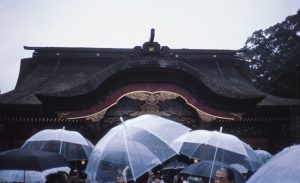
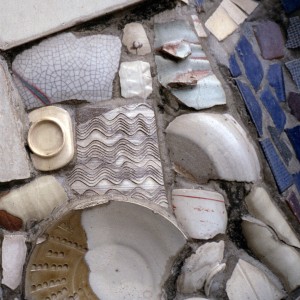
In 2010 I came to Japan to play four shows in Tokyo. Three of them were with Yui Onodera. We had just released our collaboration album Generic City, and it was also the debut release of my new label Two Acorns. A little more than one month later I moved to Japan, and by this time we had already begun working on a second collaboration album, as a continuation to our first release. In 2011, we played three more shows together, mostly playing completely new material, and piecing it together a little differently each time. However, after 2011, for different reasons, we stopped working on it, and no new shows happened. Maybe we had other things that were more pressing to come up, work was busy, or for whatever reason we didn’t continue working on it, and it was left unfinished.

In 2015, in an attempt and ongoing process of organizing files from three different computers, I came across some of the folders of our follow-up source material mixes, and live show mixes. There was never a working title, and most of the tracks were only named by numbers or single letters, so it had hidden in the vaults easily. Listening back, I remembered these tracks, and they felt fresh to me – or they brought back good memories. Maybe part of the problem before was endlessly working over and over on the tracks for so long that the feeling was blurred – but now, after some time, I can see it again. At the same time, after 5 years has passed, it’s hard to go back to something and change it, so we’ll leave it as it was on our last edit from 2011.

www.twoacorns.jp

Ambient music is a difficult thing to categorize – especially your own music. It’s easy to just name several easy genres, and that’s it. Sometimes it’s enough, but not always. If we go back to the origins according to Brian Eno, he says “You could pay attention or you could choose not to be distracted by it if you wanted to do something while it was on” and that ambient music is “creating an ambience, a sense of place that complements and alters your environment.” For myself, I always understood where Eno was coming from, and how it applies to his music, and ambient music in general. But even though this music has been an influence for me (particularly Brian Eno’s Discreet Music), it wasn’t always what I set out to do from the beginning. With the tools I had, it’s just what my music ended up sounding like – or to say it another way, it was what I wanted to listen to myself.

For a long time I rejected Eno’s idea about making my own music, because I wasn’t interested in making background music. People can perceive your music any way they want it, applying it to the way they hear it and how it applies to their life and surroundings, but that doesn’t always match your reasons for making it. There was always something much more interactive to me – and those memories are completely vivid to me – if they’re quiet, it’s because that’s how they really were – but it doesn’t mean they were less-strong, or shouldn’t be paid attention to. Other music (more loop oriented, and direct) is all about repeating a memory, a feeling, or something else – this may not be exactly how it happened, but this is how I remember it, and by making it this way it sets it in stone. For me, at least.

Soryu may be something different entirely the same. There are all these things present still – but for some reason, to me, it feels like possibly the only purely ambient music that I’ve ever made. I don’t mean this to be background music, but by saying ‘purely ambient’, to me it is as close to Eno’s definition as is possible (up to now). It isn’t meant to be ignored, but instead it’s something to be lost in – a maze where everything looks the same – there are familiar places and sounds, different colors and different sized objects, but you’re lost in this place, and these things repeat, not always in the same order. It’s a zone, somewhere where everything can become familiar, but it doesn’t always seem to be ordered the same way. For example, in Alain Resnais’ 1968 film Je t’aime, je t’aime everything is the same, but the way you memorize it feels different – what you thought was familiar is not really that at all, and after repeating it over and over, you see it or yourself differently. At least, you can.

Soryu is the first in a series of long-form pieces made with this idea. The story and background for each varies, but the direction remains the same. That is, having no direction.

All music by Will Long, recorded 2013 – 2015 in Japan

Cover photo courtesy of William A. Long, Jr.

www.twoacorns.jp